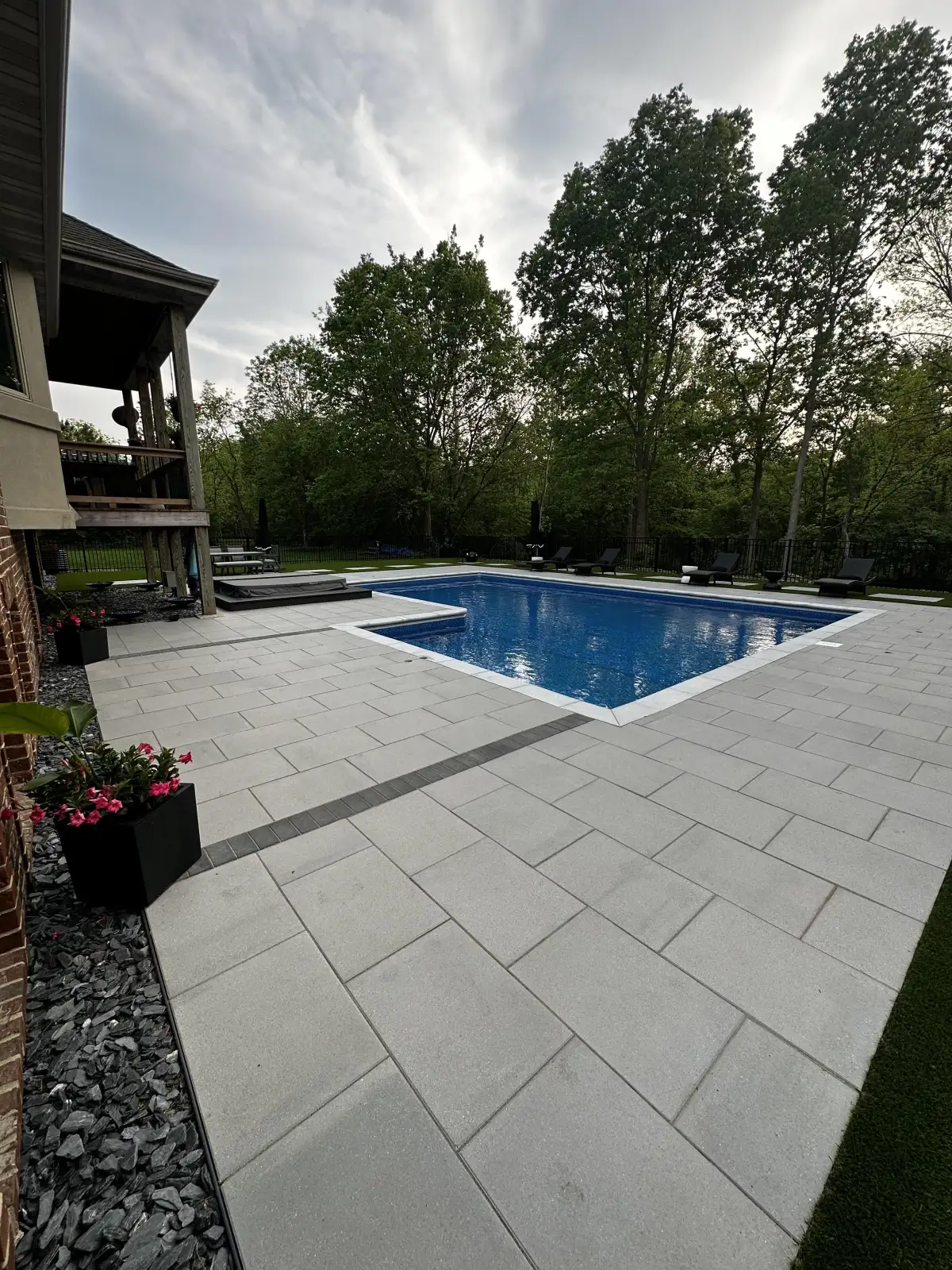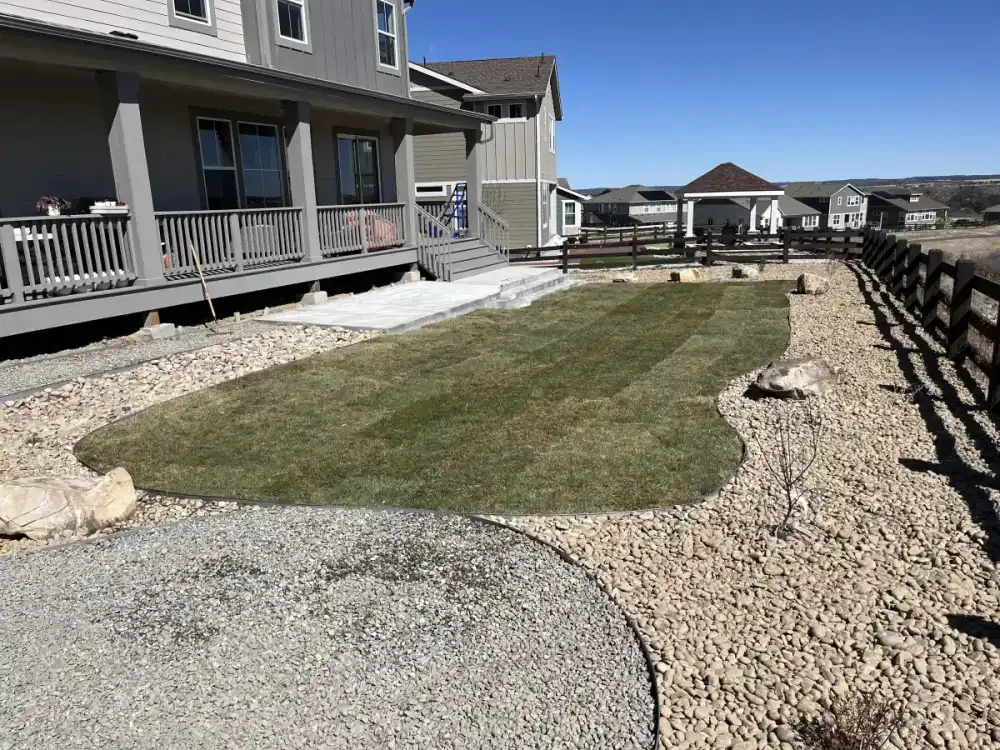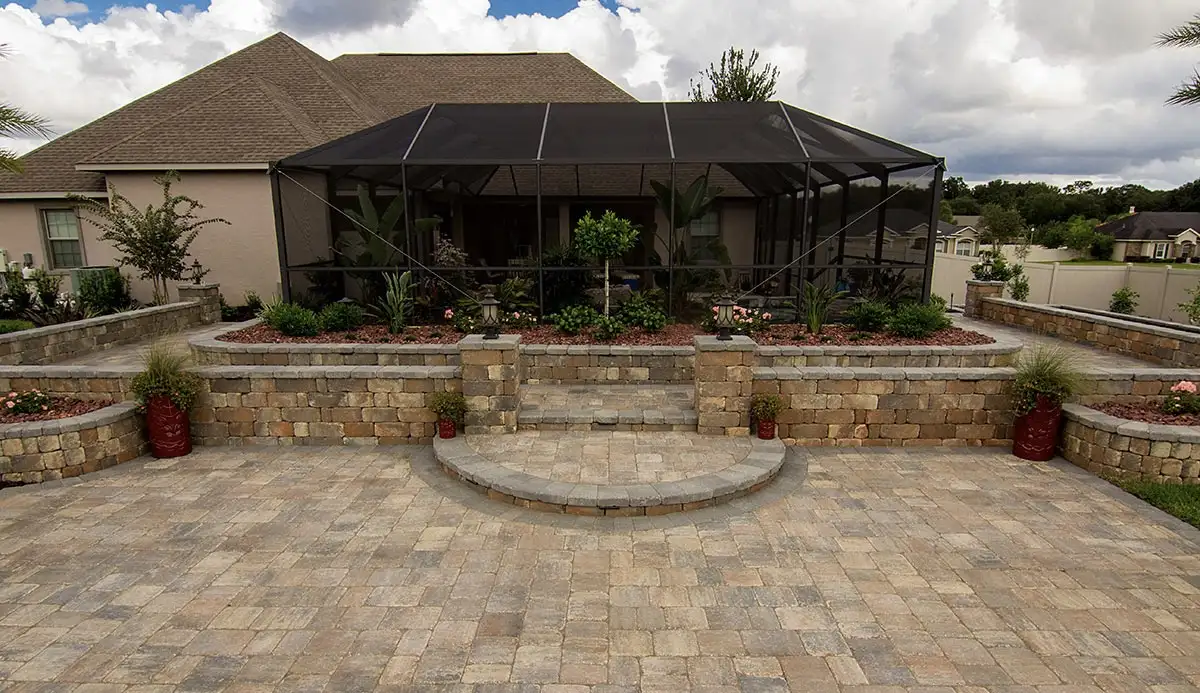
Wind-Aware Seating And Grill Planning
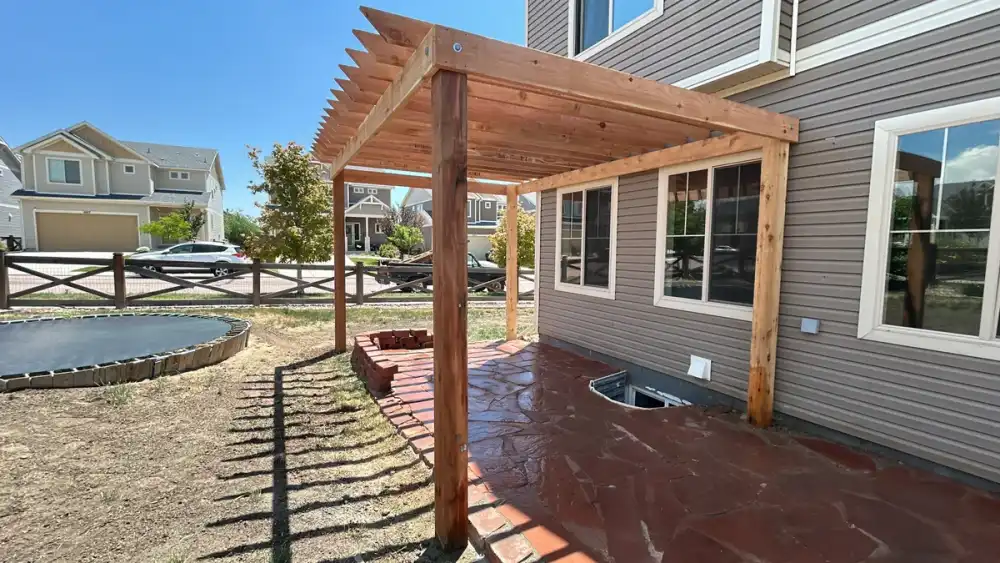
A Maize patio may need a layout that keeps seating comfortable, places the grill with wind in mind, and moves water away from the base. Those practical choices matter before the homeowner commits to a paver style or border.
Maize Coverage Explained By Project Fit
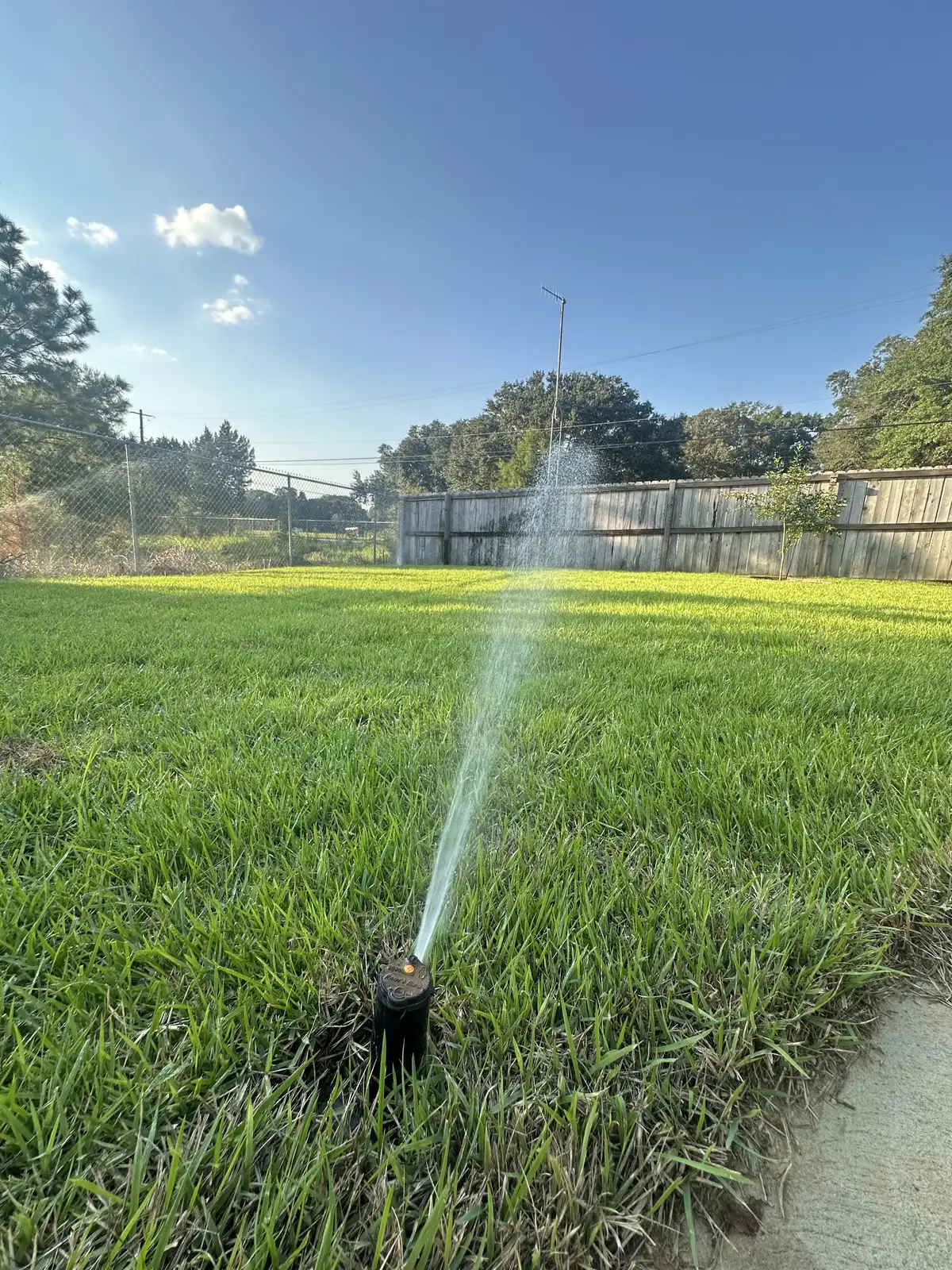
Cedar Ridge Outdoor Living lists Maize in the service area and evaluates requests by scope, access, and timing. The goal is to help homeowners understand whether the project fits the service mix and what details should be discussed first.
- Coverage confirmation
- Accurate local coverage
- Practical project phasing
- Drainage-first recommendations
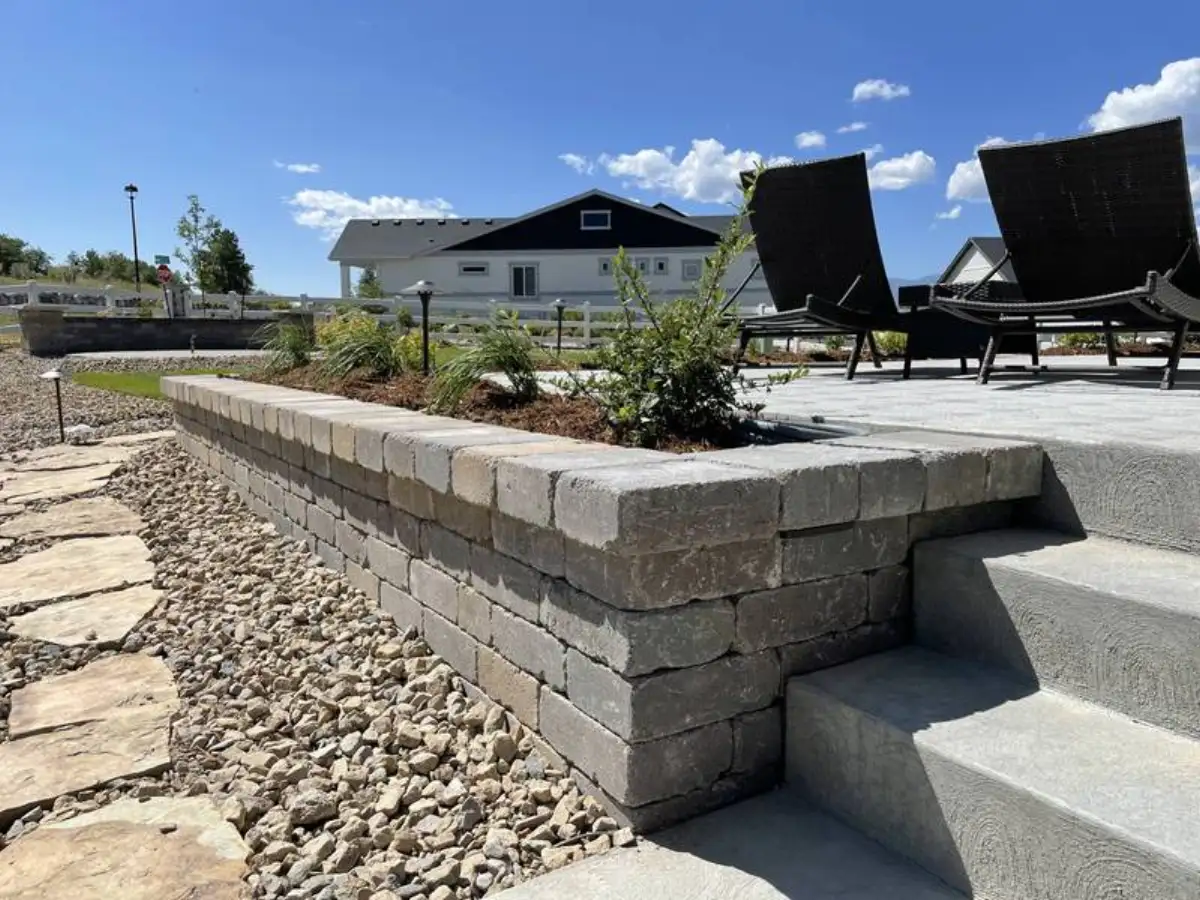
Protecting Lighting Routes In Growth Areas
Growth-area homes often benefit from future lighting planning even when fixtures are not installed immediately. A patio phase can leave routes for path lights, step lights, or kitchen task lighting so later work stays cleaner.
- Patio footprint
- Wall location
- Drainage route
- Future lighting path
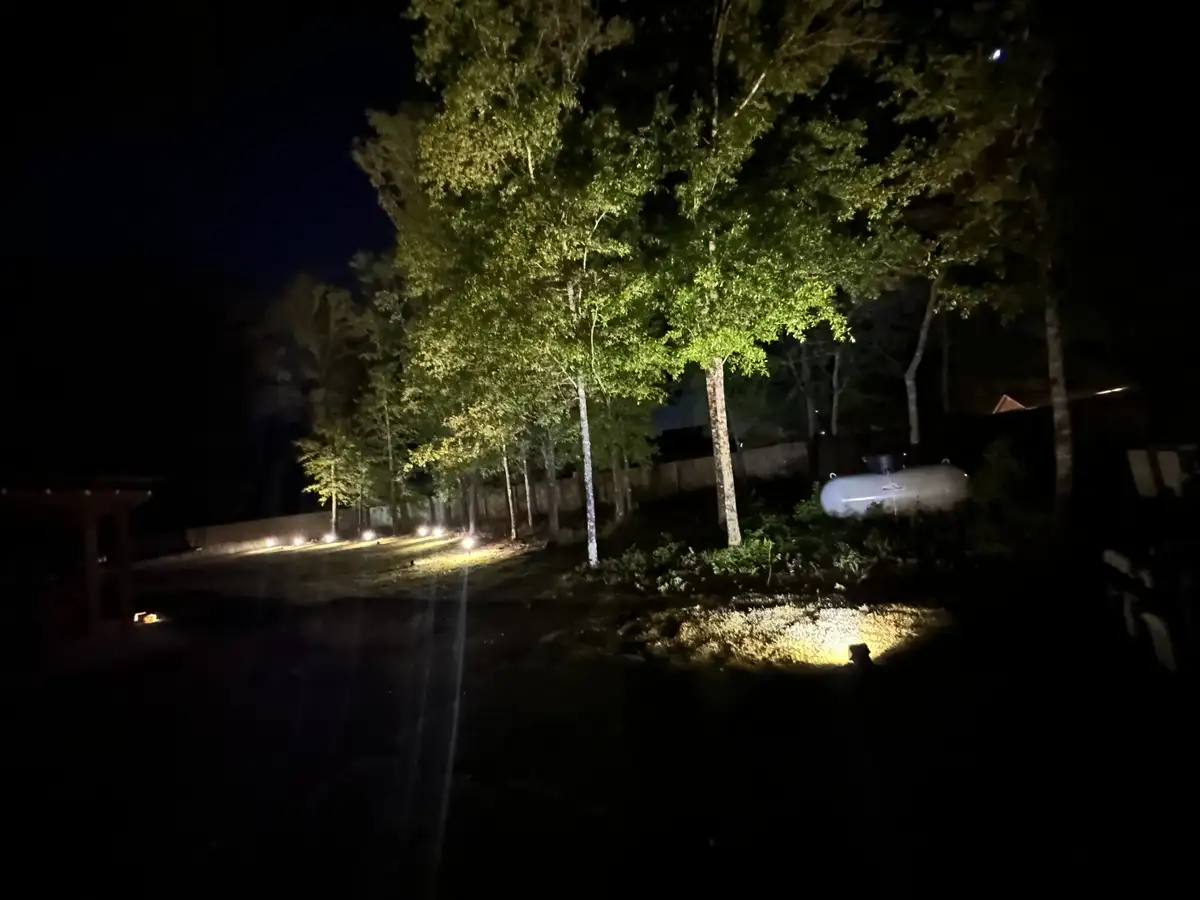
Nearby Pages For Northwest-Area Yards
Maize homeowners can compare Goddard, Valley Center, Wichita, and Bel Aire pages for similar access, exposure, and drainage considerations. Photos after rain are especially helpful for the first review.
Maize Layouts Should Account For Exposure
Open northwest-area lots can feel different once wind, sun, and runoff are considered together. A patio that looks generous on paper may need a different grill location, a more comfortable seating orientation, or a drainage route that handles water moving across a newer lawn. Cedar Ridge Outdoor Living can use the first conversation to identify those exposure issues before the layout is locked in. Homeowners should mention where wind usually hits the yard, where water travels after storms, and whether future lighting or a kitchen should be protected in the first patio phase.
- Wind direction around grill zones
- Sun exposure for seating
- Newer-lawn runoff patterns
- Future lighting protection
Maize Phase Planning For Newer Landscapes
Newer Maize landscapes can change as soil settles, beds mature, and neighboring lots are completed. A first-phase patio should be planned so it can handle those changes without locking out later improvements. Discussing drainage, lighting routes, and grill placement early helps the homeowner avoid reworking a new surface when the rest of the yard catches up. It is also helpful to describe which side of the house feels most exposed during normal use, because that can change where seating, grill space, and low-voltage lighting make the most sense.
- Settling around new grades
- Future planting bed edges
- Grill and smoke direction
- Lighting sleeves before pavers